
The Psychology of Racism, Identity, Diversity, and Equity (PRIDE) Lab
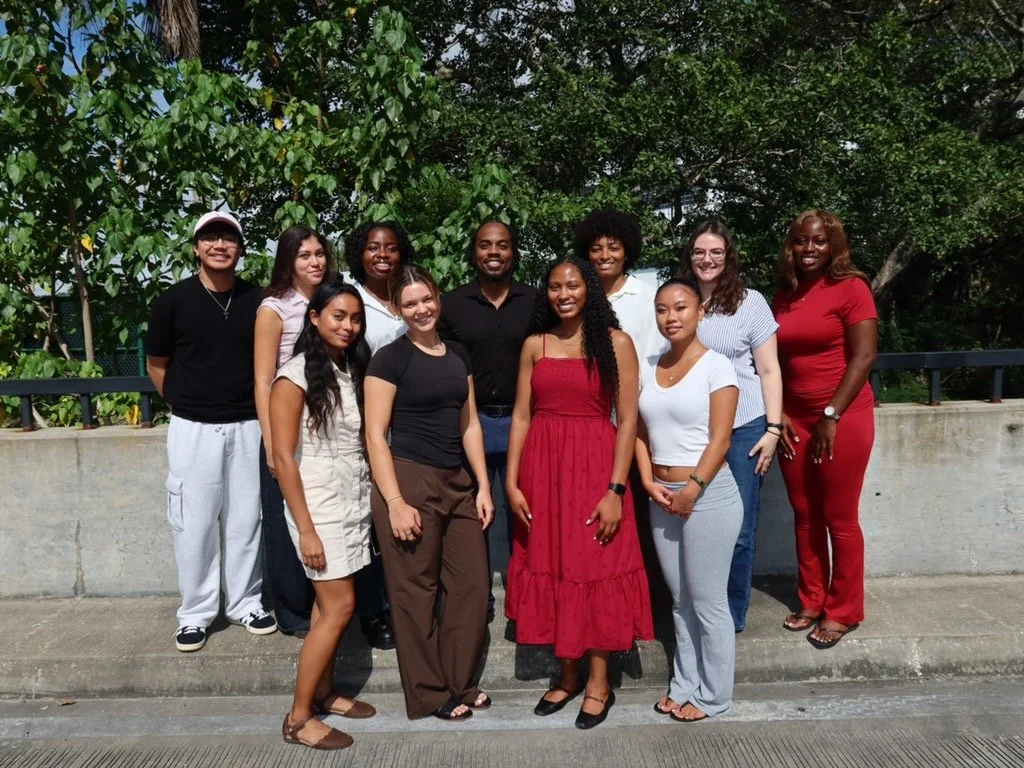
At the University of Miami, the PRIDE Lab is dedicated to advancing empirical research on racism, identity, social inequality, and human flourishing through the lens of social psychology. Directed by Simon Howard, the lab brings together a diverse community of scholars committed to investigating how social structures, cultural systems, and everyday experiences shape psychological well-being, intergroup relations, and social behavior.
Using interdisciplinary and methodologically diverse approaches the PRIDE Lab examines the psychological mechanisms that sustain inequality as well as the factors that promote resilience, empowerment, belonging, and collective action among marginalized individuals (e.g., Black people).
Our work spans several interconnected areas of research:
Consequences of Vicarious Racism
A central focus of the lab examines the psychological, behavioral, and health-related consequences of vicarious racism (i.e., racism experienced indirectly through media, social networks, interpersonal relationships, and digital environments). We investigate how exposure to vicarious racism affects mental health, physiological stress, collective action engagement, political behavior, hope, existential threat, and race-based traumatic stress.
Racism, Health, and Human Flourishing
The PRIDE Lab also investigates how racism and structural inequality contribute to health disparities and barriers to well-being. Current projects examine the role of racial discrimination in preventive healthcare engagement among formerly incarcerated Black men living with HIV, as well as broader questions related to loneliness, belonging, resilience, and flourishing. Emerging work explores whether spiritual and communal connectedness can buffer against social isolation and promote psychological well-being in diverse populations. This latter work is supported by Grant 63857 from the John Templeton Foundation.
Religion, Spirituality, and Social Hierarchy
Another line of research examines the role of religion and spirituality in maintaining or challenging systems of racial and gender hierarchy. Our studies investigate how implicit and explicit God concepts, religious ideologies, and spiritual worldviews shape racial attitudes, gender attitudes, hierarchy-maintaining beliefs, and perceptions of social inequality. We are particularly interested in understanding the psychological intersections of spirituality, identity, morality, and social justice.
Race, Perception, Judgment, and Decision-Making
The lab also explores how race influences perception, judgment, and decision-making across social contexts. This work examines racial bias in domains such as employment, education, criminal justice, media representation, and interpersonal evaluation. We are especially interested in how stereotypes, implicit processes, and systemic inequalities shape everyday judgments and institutional outcomes.